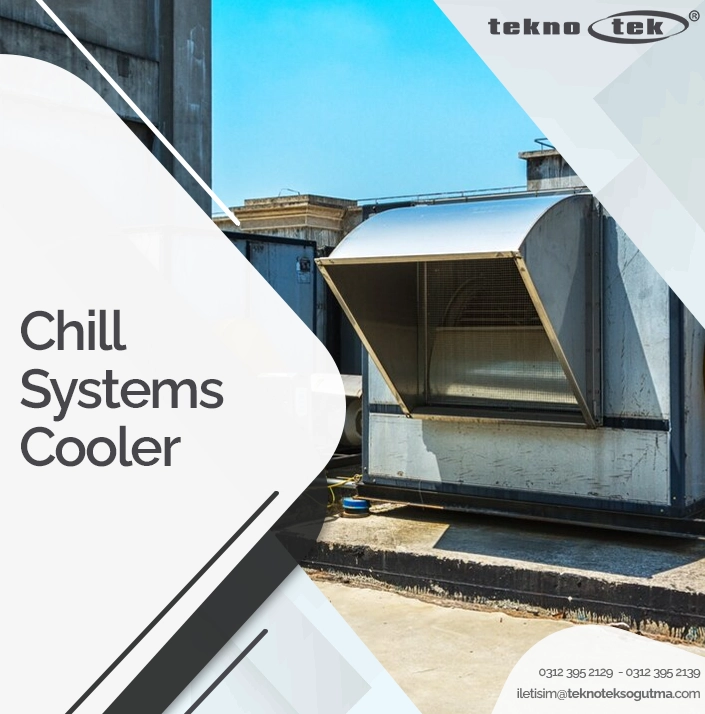
Chiller cooling systems offer a highly efficient cooling solution and are frequently preferred in many areas, from industrial facilities to shopping malls. These systems stand out for their reliable performance in climate control of large-volume spaces. The cooling process in the system is based on the principle of absorbing heat and transferring it outside the system.
Chiller cooling systems are an ideal solution for businesses that want to establish a central cooling infrastructure. The system components consist of a compressor, evaporator, condenser, and typically cooling towers. This cooling system offers different alternatives, including air-cooled and water-cooled options, to meet various needs. The use of these systems, which can be integrated with automation technologies, also provides the opportunity to optimize operating costs.
What is a Chiller Cooling System?
Chiller cooling systems are a type of cooling system frequently preferred in various industrial and commercial settings, performing central cooling operations. The system’s operating principle is based on removing excess heat from the environment to create the desired climate conditions.
The system operates using a refrigerant fluid. The refrigerant fluid absorbs heat from one environment and transfers this heat to another, providing cooling.
Chiller systems are offered with two alternatives: water-based or air-based. This difference between the systems is based on whether they utilize a water-based or air-based cooling system. Heat pump chiller cooling systems, as a type of air-cooled chiller, stand out with their environmentally friendly approach.
The basic elements and operational characteristics of chiller systems are as follows:
The chiller system model is selected depending on the application area. Factors to consider when making a selection include the size of the environment, the required temperature, and the optimization of energy costs. All these features of the system can be given as an answer to the question of how a chiller works.
At the same time, details such as the fact that the energy gained from food and the compressor is dissipated on air-cooled coils make the system stand out in areas requiring precise temperature control. In all these aspects, chiller systems offer efficient solutions in process-controlled areas.
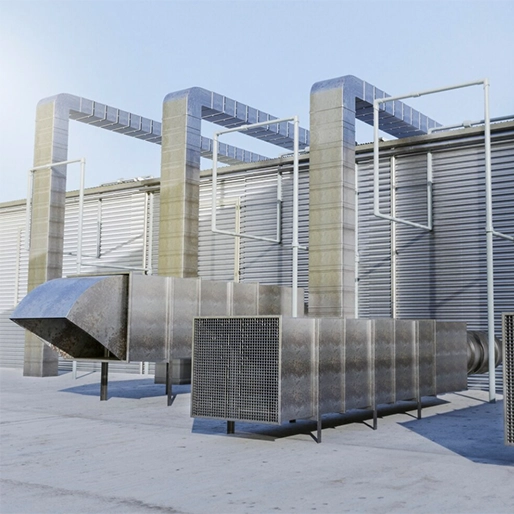
Where are Chiller Cooling Systems Used?
Chiller cooling systems are preferred in many sectors where maintaining temperature within specific limits is critical. Their purpose is not only to cool the environment but also to ensure uninterrupted production processes, protect equipment, and standardize product quality. Therefore, the capacity, cooling method, and control system required by each sector may differ.
The main areas where they are commonly preferred include:
- Cooling of production equipment in plastics, rubber, and metal processing plants
- Temperature control of CNC machines, laser cutting machines, and industrial processes
- Ensuring process safety in pharmaceutical, chemical, and cosmetic production facilities
- Protecting electronic equipment in data centers and server rooms
- Central air conditioning in hotels, business centers, and large office complexes
- Protecting product quality in food production facilities and beverage bottling lines
- Areas requiring precise temperatures in hospitals, laboratories, and healthcare facilities
- Air conditioning in gyms, cultural centers, and large public buildings
A properly designed chiller system not only meets current needs but can also adapt to future capacity increases for the business. Therefore, during the selection phase, the intended use of the facility, daily operating hours, environmental conditions, and energy consumption targets should be evaluated together. This way, high performance can be achieved, and long-term operating costs can be managed more efficiently.
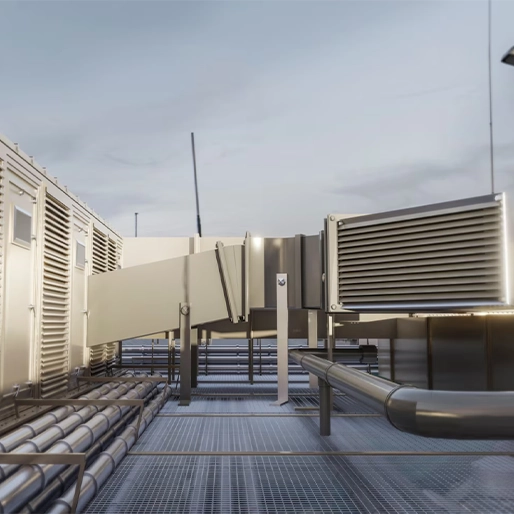
Types of Chiller Cooling Systems
Chiller cooling systems are produced in different models according to the needs of the facility, climate conditions, and cooling capacity. Although each system works for the same purpose, they differ in terms of heat removal method, energy consumption, and installation requirements. Therefore, choosing the right chiller type directly affects both system efficiency and operating costs.
When making a choice, not only the initial investment cost but also the physical characteristics of the installation area, maintenance processes, annual operating life, and energy efficiency should be evaluated. Especially in continuously operating facilities, choosing the right system can provide significant savings in the long run.
The most commonly used chiller cooling system types are:
- Air-cooled chiller systems: Transfer heat to the outside air via fans. The installation process is more practical as it does not require a cooling tower. They are frequently preferred in rooftop and open-area applications.
- Water-cooled chiller systems: Remove heat through water circulation and generally operate in conjunction with a cooling tower. In industrial facilities requiring high capacity, they stand out due to their energy efficiency.
Since each chiller type caters to different usage scenarios, no single model may be the right choice for every business. Choosing the right system, considering the project’s capacity, operating conditions, and energy targets, contributes to increased performance and long-term control of operating costs.
Air-Cooled Chiller
Air-cooled chiller systems are cooling systems that work by transferring the generated heat directly to the outside air using fans. The fact that they do not require a cooling tower makes installation and maintenance processes more practical. They are preferred especially in regions with limited water resources and in applications on open areas such as roofs. They are widely used in factories, commercial buildings, hotels, and office projects. Offering advantages in the initial investment phase thanks to their low infrastructure requirements, these systems provide high performance with the right capacity selection, offering effective solutions to different air conditioning needs.
Water-Cooled Chiller
Water-cooled chiller systems transfer heat to the outside of the system via water circulation and a cooling tower. They are frequently preferred in high-capacity and continuously operating facilities due to their energy efficiency. It offers suitable solutions for long-term use in large production facilities, hospitals, shopping malls, and buildings housing industrial processes. Although it requires a cooling tower and water installation during the setup phase, it can improve operational performance in large-scale projects. With regular maintenance, it can maintain stable operating characteristics and be used efficiently for many years.
Chiller Cooling Working Principle
The basic operating principle of a chiller system is based on removing heat from the environment and transferring it out of the system with the help of a refrigerant.
The heat removal process begins in the evaporator. The evaporator, which absorbs the heat from the water or air in the environment, transfers this energy to the compressor via the refrigerant. After the heat undergoes a condensation process, the released energy is expelled from the system in air-cooled or water-cooled chiller systems.
In water-cooled chiller systems, the cooling tower plays an active role in removing this heat. In the tower, the heat is rapidly removed from the environment, thus supporting the efficient operation of the system.
Chiller systems, which often operate at high temperatures, are used to control the temperature in environments where machinery or air conditioning is needed. Considering this aspect, areas where they are heavily used include plastic and metal injection molding machines, hospital and laboratory environments, shopping malls and hotels, food storage areas, and cold chain logistics.
The system ensures the stabilization of the ambient temperature by transferring heat to the air or water. This principle is a feature that guarantees the continuity and efficiency of the chiller system.
With their operating principle, chiller systems play an active role in maintaining stable conditions in industrial areas. They also contribute to lower energy costs in the long term.
Frequently Asked Questions
Chiller cooling systems maintain the desired temperature by removing excess heat from the environment or production process. This contributes to the safe operation of equipment, the preservation of production quality, and the efficient functioning of air conditioning systems.
Chiller systems are widely used in industrial production facilities, hospitals, hotels, shopping malls, data centers, laboratories, food production plants, and many other sectors requiring process cooling.
The lifespan of chiller systems varies depending on the quality of the equipment, operating conditions, and maintenance procedures. Systems that undergo regular periodic maintenance and are used correctly can continue to operate at high performance for many years.
For more detailed information about chiller cooling systems, you can contact Teknotek.