Sectional door is one of the most preferred door systems in modern industrial and residential garages. This system provides heat and sound insulation while also offering energy efficiency.
Sectional door is also an advantageous option in terms of security. Its sturdy structure and locking mechanisms make it highly resistant to external impacts. Additionally, with its anti-crush features, it prevents possible accidents that may occur during use.
What is a Sectional Door?
Sectional doors are doors composed of panels connected by hinges. These doors open and close vertically, forming a door system commonly used in industrial areas, warehouses, garages, and manufacturing facilities. They offer significant advantages in terms of energy efficiency, security, and aesthetics.
The panels move along special guide rails, opening upwards and positioning themselves parallel under the ceiling. This feature saves space while expanding the usable area.
As part of industrial doors, sectional doors offer long-lasting use due to their sturdy structure. These doors are manufactured using sandwich panels, which are filled with polyurethane to enhance thermal insulation. The thickness of the door panels directly affects the insulation capacity of the door.
These door systems are highly resistant to wind and impact, significantly enhancing security. Commonly used as garage doors, these doors can also be integrated with automation systems, allowing entry and exit operations to be performed more efficiently and quickly.
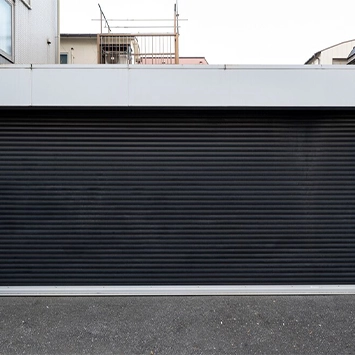
Sectional doors stand out with their easy installation feature. These doors are supplied ready for installation and can be easily assembled with their special rail systems. Offering a wide range of models and colors, these doors are designed to adapt to any architectural structure. With their modern door design, they provide both comfort and security.
Advantages of Sectional Doors
Sectional doors offer various advantages depending on their areas of use. Some of these benefits include:
- These doors open upwards, requiring no extra space. Their movement towards the ceiling preserves usable space both indoors and outdoors, making them especially advantageous in narrow areas.
- Manufactured using sandwich panels, these doors provide high-level heat and sound insulation. This feature helps save energy and significantly reduces external noise.
- With their sturdy structure and special locking mechanisms, they increase the level of security.
- As part of industrial doors, sectional doors are made from steel or aluminum panels.
- Sectional doors add a stylish and modern touch to any building.
- They can be integrated with automation systems, making their use much more convenient.
- Industrial sectional doors are widely used in different areas, particularly in factories, warehouses, and large enterprises.
- Sectional doors provide easy installation and minimal maintenance requirements, making them a cost-effective long-term investment.
Types of Sectional Doors
An industrial door is designed for large-scale businesses, factories, and warehouses. These doors are durable and functional, providing high security while also being an ideal solution for covering large openings. With their heat and sound insulation properties, they contribute to increased efficiency in businesses. Depending on the area of use, these systems can operate either manually or with automated motorized systems.
Sectional doors are available in a wide variety of models and colors for different applications. One of the sectional door models is the residential sectional door, commonly used in home garages. These door systems offer modern doors with an aesthetic appearance and quiet operation, ensuring a comfortable user experience. They can also be customized in different models and colors to match personal preferences.
Fast-acting sectional doors are another type that ensures high-level security. With their rapid opening and closing capabilities, they save time and enhance workflow efficiency.
The prices of these door systems vary depending on the materials used, door size, and additional equipment. Among the different models, automated systems with extra security features tend to be more expensive. However, considering their advantages, these doors are a cost-effective and secure long-term investment.
Sectional Door Prices
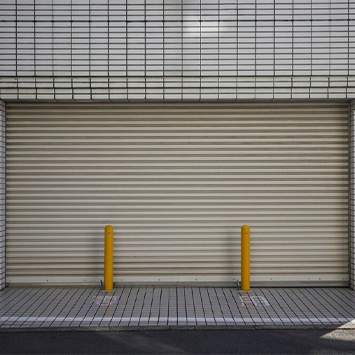
Sectional door prices are determined by factors such as the panel technology used, insulation level, door dimensions, and the chosen automation system. Panels with strong thermal insulation feature track mechanisms designed for heavy use and metal components that enhance durability. Therefore, these elements directly affect the overall cost.
The types of doors preferred in industrial facilities prioritize higher levels of safety and ease of use. This can broaden the price range. In residential sectional doors, aesthetic design, quiet operation mechanisms, and personalized color options come to the forefront. All these aspects serve as key pricing factors.
In addition, custom-manufactured doors may include extra components such as motor power, control systems, photocells, or emergency stop units. These additional features also influence total cost. Models with fast-opening capability provide time savings for businesses and offer operational efficiency. Consequently, such models may require a higher budget.
In various usage areas such as garages, warehouses, production sites, or logistics centers, both durability and long service life are expected. For this reason, while evaluating prices, it is necessary to consider not only the initial installation cost but also long-term performance.
Sectional door prices represent a long-term investment in terms of safety and insulation performance. Therefore, choosing the right model is highly important. Features are determined according to the area of use, required level of automation, and overall expectations. All these considerations help identify the most efficient and budget-friendly solution.
For more information on sectional door systems, their features, and advantages, you can contact Teknotek.